
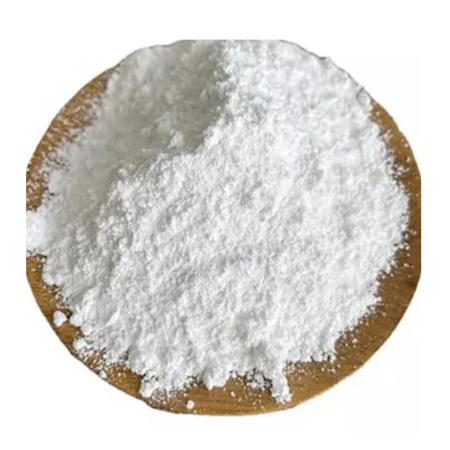
Anhydrous Zinc Borate is a high-performance, halogen-free flame retardant and smoke suppressant. Its key differentiator is its exceptional thermal stability, with a melting point above 500°C.
Unlike hydrated zinc borate (ZB-2335), which begins to decompose and release water around 290°C, the anhydrous form is stable at extreme processing temperatures. This property defines its unique mechanism and makes it the essential choice for high-temperature polymer systems.
Flame Retardant Mechanism
As an anhydrous compound, its mechanism does not rely on the endothermic release of water. Instead, it functions as a powerful, high-temperature, condensed-phase flame retardant.
• Forms a Vitreous Insulating Layer At high flame temperatures, Anhydrous Zinc Borate melts to form a viscous, non-flammable glassy (borate) layer. This barrier serves three critical functions:
1. Thermal Shield: Insulates the underlying polymer from heat transfer.
2. Oxygen Barrier: Covers the polymer surface, cutting off the oxygen supply.
3. Char Promotion: It acts as a “binder” or flux, gluing the polymer char and any inorganic fillers (like ATH or MDH) into a dense, robust char structure. This strengthened char resists cracking and slows the release of flammable volatiles.
• Synergistic Smoke Suppression In halogen-containing systems (e.g., PVC, CP), the component acts as a highly effective acid scavenger. It traps corrosive and gases, which not only prevents them from auto-catalyzing polymer degradation (a major smoke source) but also promotes polymer cross-linking to enhance char yield.
• Afterglow Suppression The borate component is an excellent afterglow suppressant, preventing the formed char from smoldering long after the flame has been extinguished.
Key Application Areas
The extreme thermal stability of Anhydrous Zinc Borate makes it the ideal and necessary choice for polymer systems that require processing temperatures above the 300°C limit of hydrated borates.
• High-Temperature Engineering Plastics Extensively used in polyamides (PA6, PA66), polyesters (PBT, PET), and polycarbonate (PC) alloys where processing temperatures are high.
• Silicone Rubber (SR) Ideal for silicone elastomers and resins (HCR, LSR, RTV), as it remains stable during high-temperature curing cycles.
• Fluoropolymers Used in high-performance applications with FEP, PFA, and ETFE.
• High-Temperature Coatings & Ceramics Employed in specialty fire-protective coatings, powder coatings, and as a fluxing agent in ceramic glazes and frits.
• High-Performance Wire & Cable For specialty cable jacketing and insulation (silicone, fluoropolymer, high-temp PA) where both fire safety and thermal stability are paramount.


